

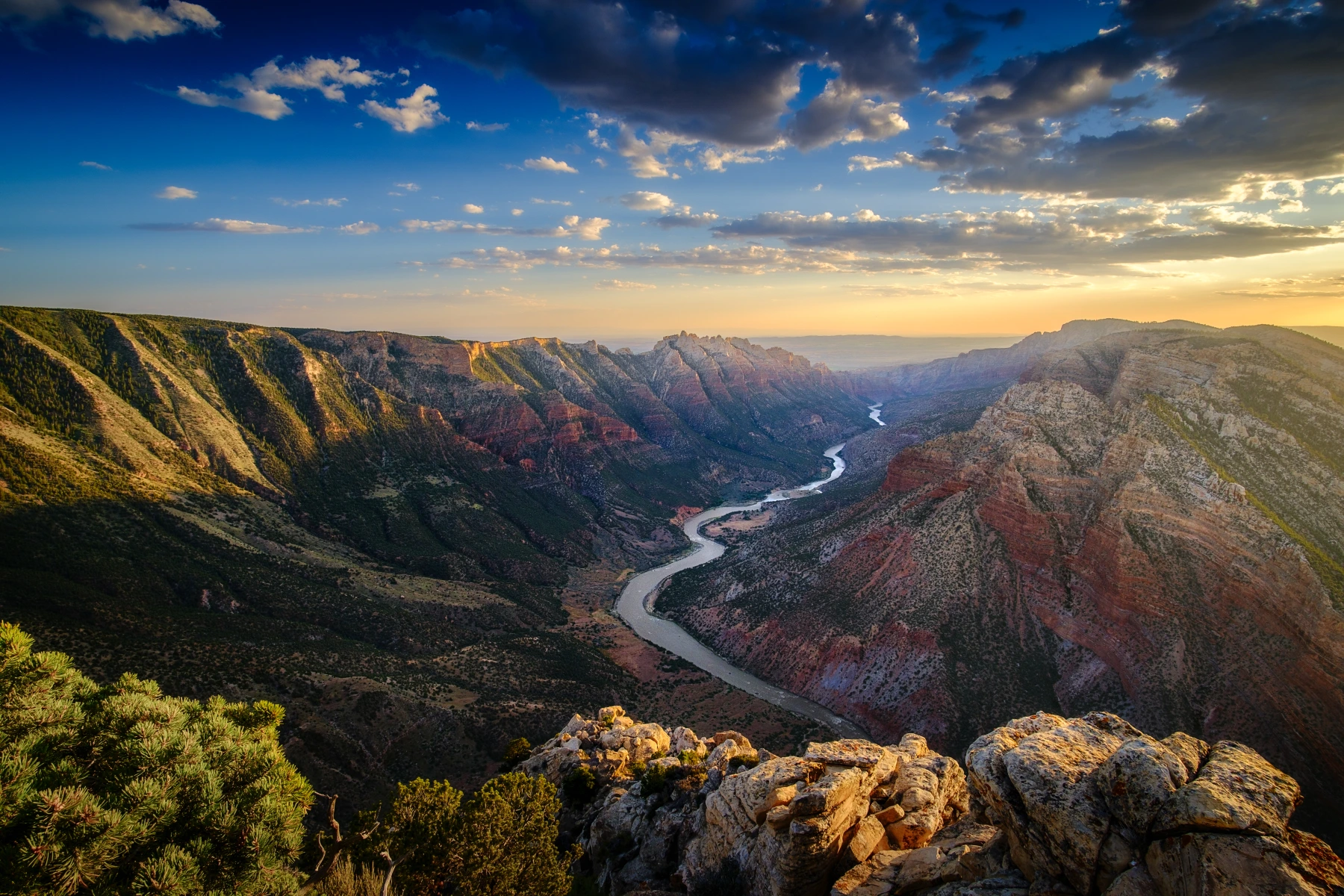
At the Mercy of the Light: The Reality of Capturing the Shot
The 4:00 AM Leap of Faith
Most people see a finished landscape photograph and imagine the photographer just happened to be there when the light was perfect. In reality, a successful image is a statistical anomaly. It often begins with a 4:00 AM alarm and a massive gamble or a carefully planned drive to a remote location in the hopes that the light will work out.
Planning a shoot around a sunrise or sunset is a specific challenge because you have to rely entirely on intuition and observation. With a sunset, you can spend the afternoon watching the clouds build and the light shift before you ever commit to a location, assuming you are close to the place you want to shoot. A sunrise offers no such luxury. You have to trust weather reports and infrared satellite imagery while it is still pitch black outside. You wake up well before dawn, make one last weather check, and then commit to the drive, hoping the variables you tracked overnight will hold together once the sun crests the horizon.
The Calculus of the Tides
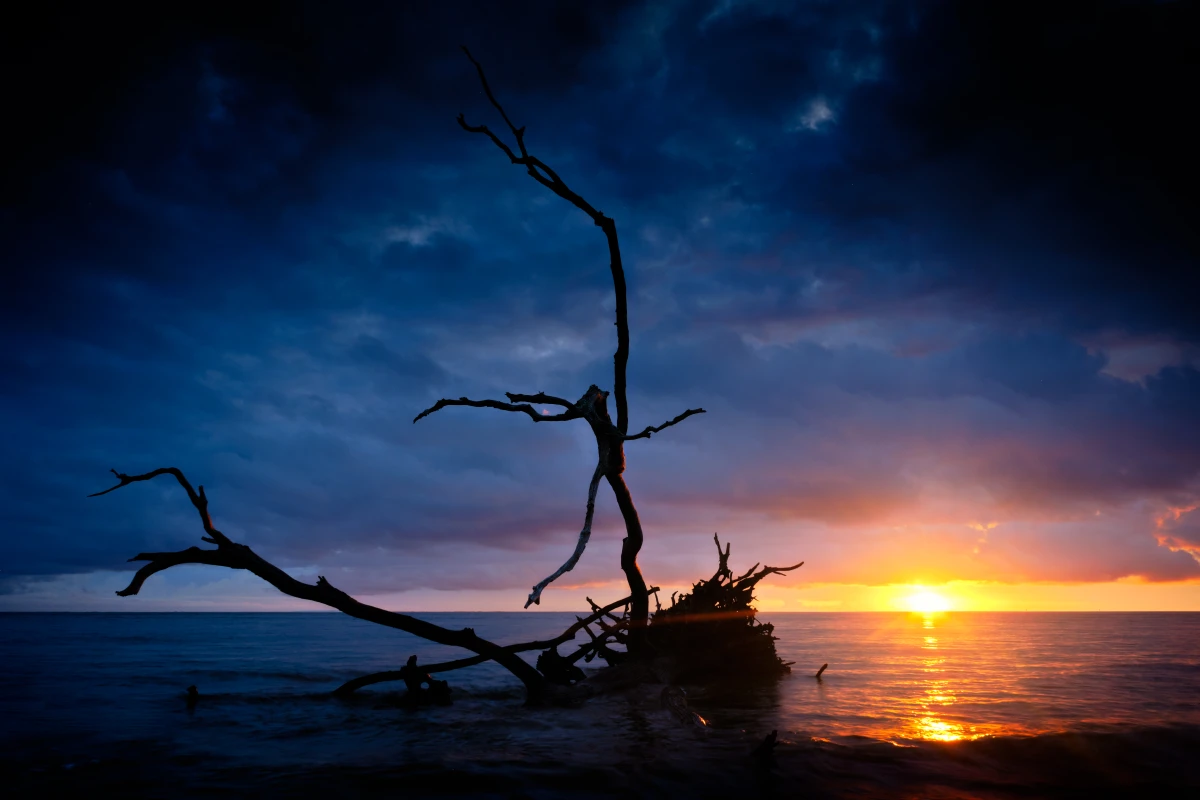
Even if the atmosphere and the sun cooperate, the ocean introduces its own set of constraints in the locations I shoot most often. On the driftwood beaches in Northeast Florida and Coastal Georgia, the tide must be in the exact right phase for a composition to work.
It is a narrow window of opportunity. If the tide is too low, the water remains too far from the subject. If it is too high, the driftwood may be fully engulfed at its base. This makes it impossible to get the camera close enough for a compelling perspective, and it hides the beautiful streaks of water that rush across the sand. To capture those leading lines, the tide has to be in that perfect "in-between" state where the surf interacts with the subject without burying it.
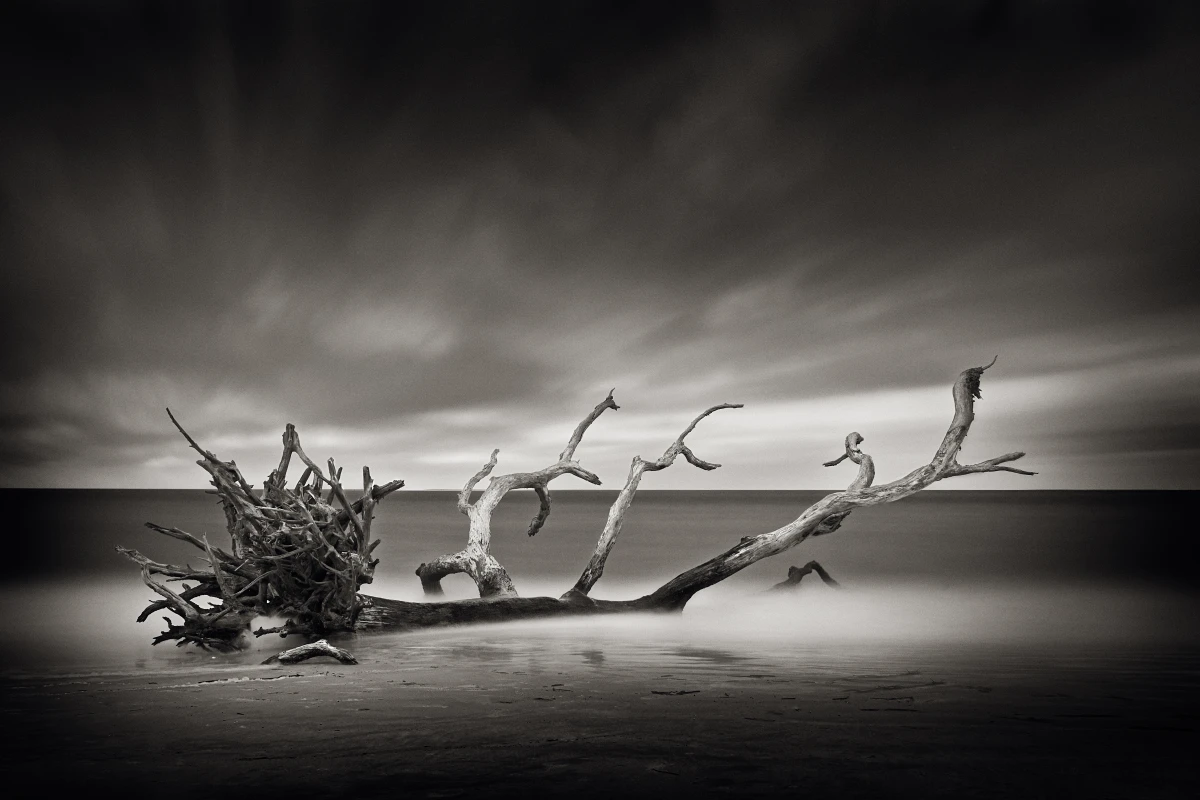
An overcast day can buy you a bit of luxury. You can use long exposures to create a minimalist composition. This is still dependent upon the tide being in the right place, however. In this case, you want the water to be hitting or above the base of the driftwood so that it foams and creates a bright, clean base around the wood in the water.
High Stakes in the High Desert
The gamble becomes even more intense when traveling. When I am shooting locally, a failed session is just a wasted morning. But when you are thousands of miles from home, the pressure of "one and done" is immense.
Last spring, I drove out to Dinosaur National Monument for a sunset shoot I had planned an entire two-week road trip around. It required a nine-mile round trip hike through the high desert. I did not particularly want to do this hike alone for safety reasons, and luckily, I met a couple a few hours before heading out. The guy decided to join me on a whim for the sake of adventure, and we spent about four hours on the trail together.
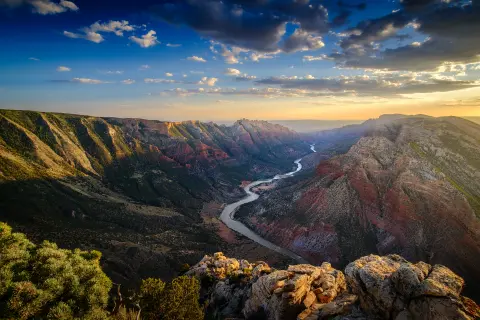
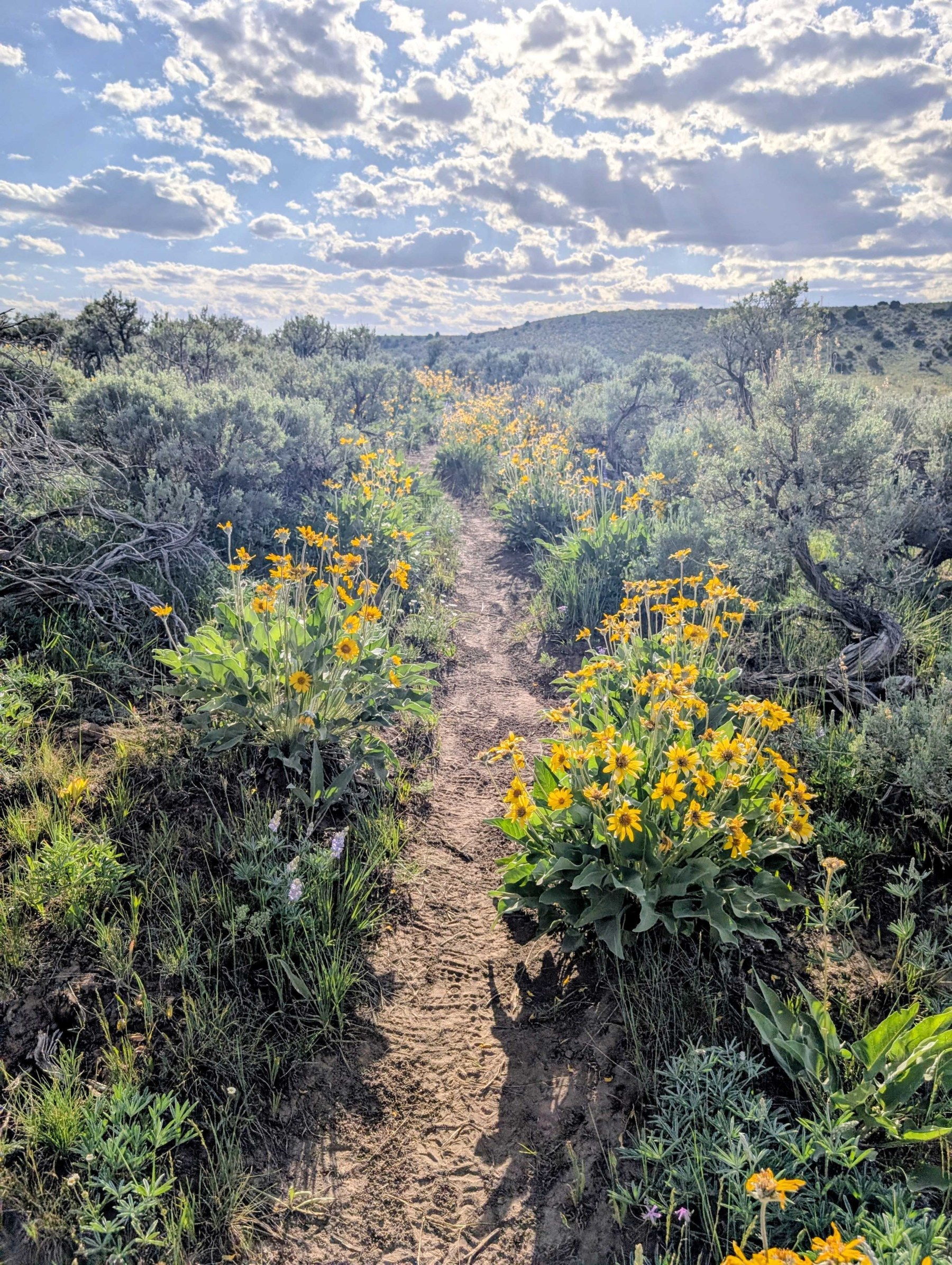
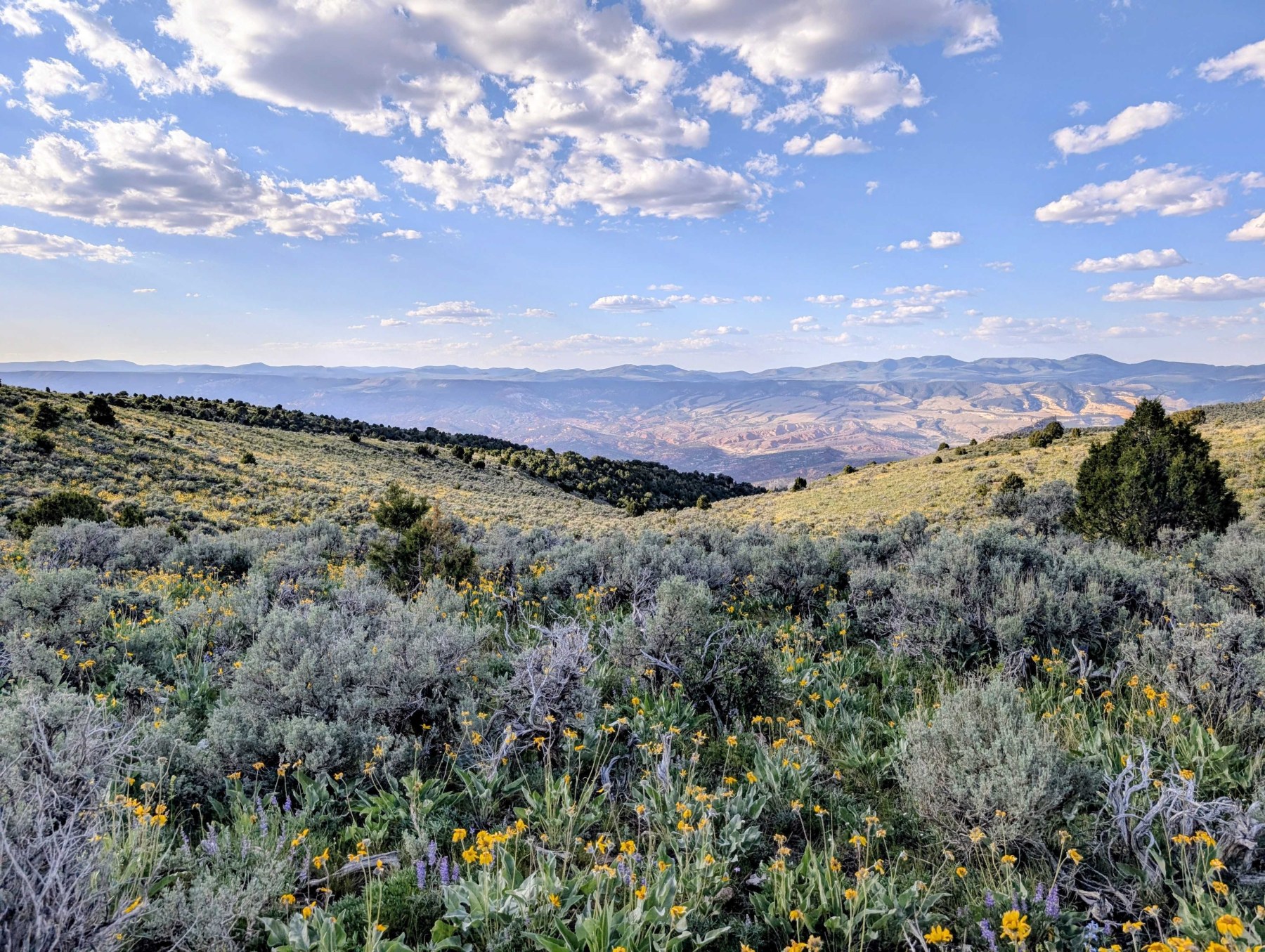
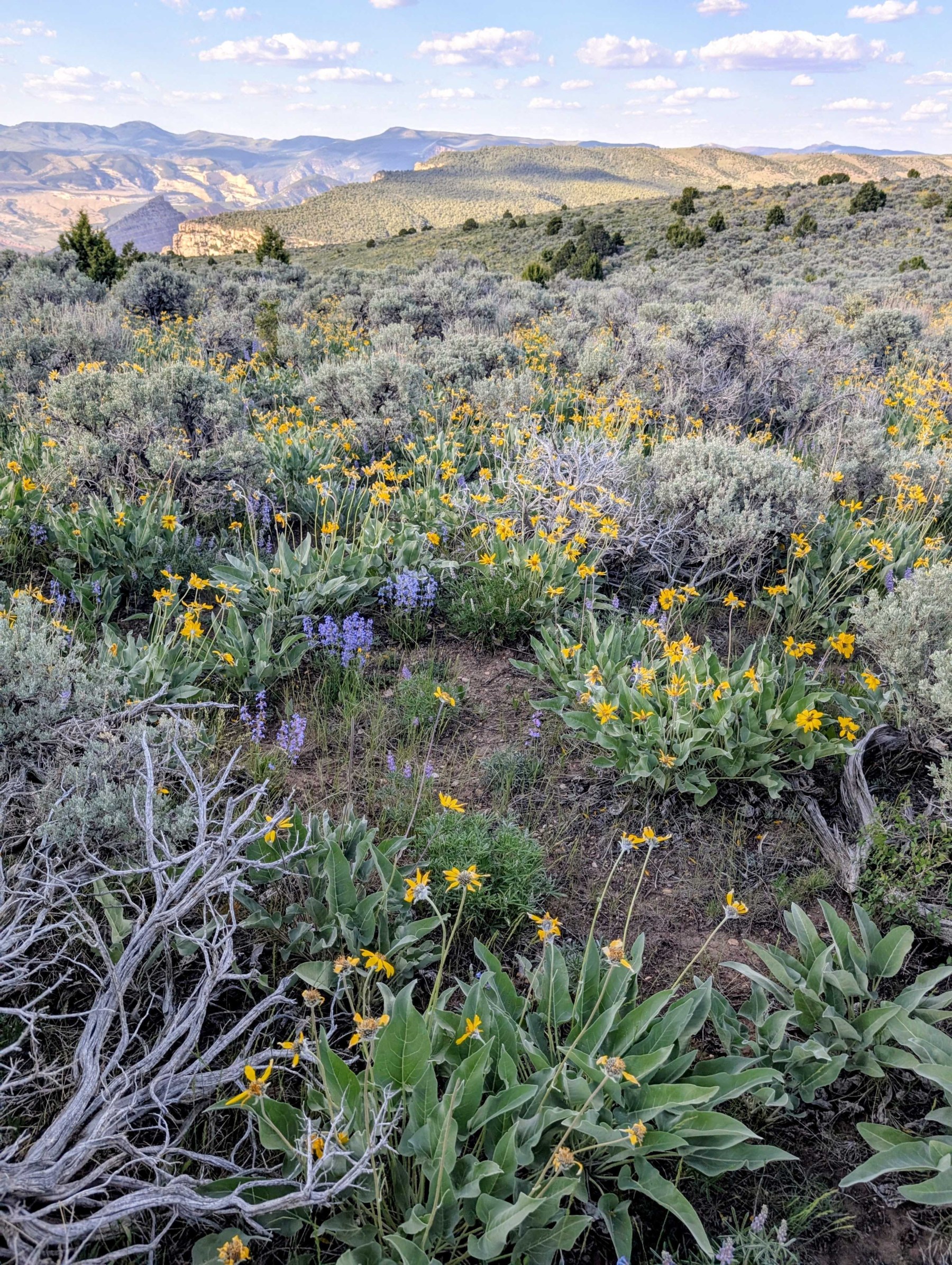
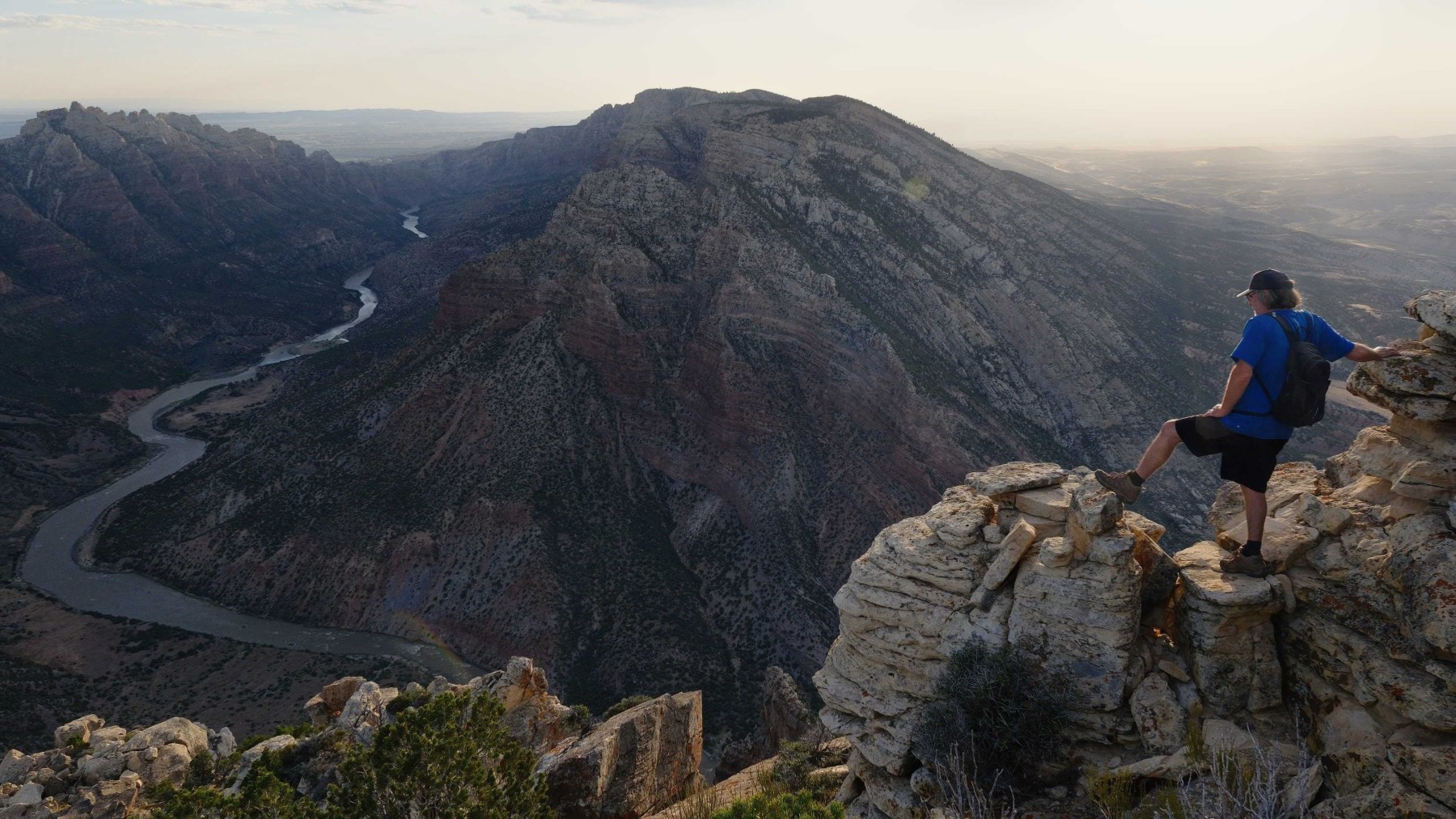
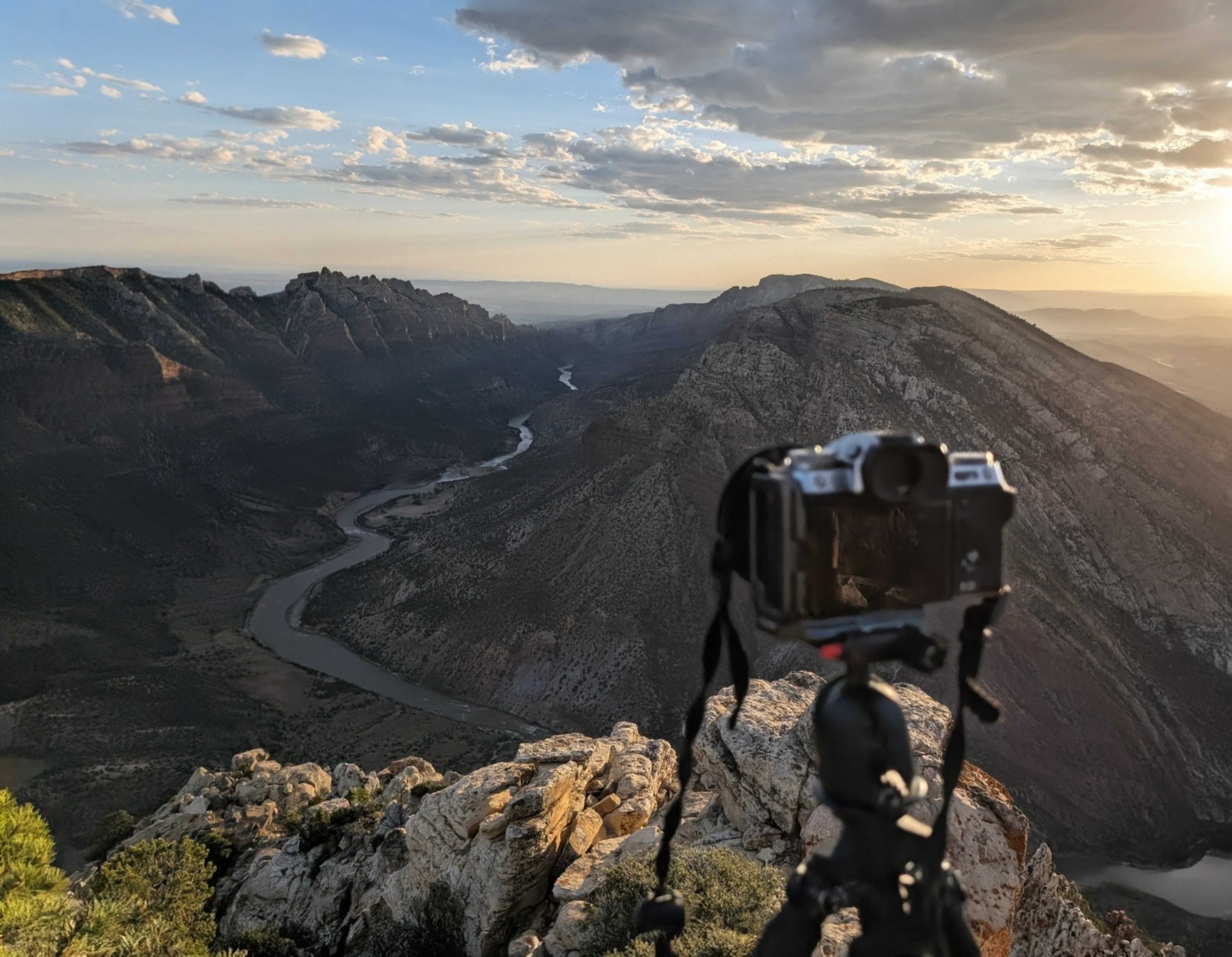
Even with a partner, the stakes were high. I lost a pair of Ray-Bans somewhere on that desert trail, never to be seen again. Standing there after a four-mile trek, you realize you have invested days of travel, money on fuel, and a grueling hike into a single window of light. Thankfully, in that instance, the sunset actually worked out. The tension of hoping for that result is something you never quite get used to. You have one chance to make the entire trip worth the cost.
You have a lot of time to chat along that trail, especially after spending the previous week and a half alone. We got to know each other during that hike and it turned out we were staying in the same campground. We had dinner the next evening and we remain friends to this day.
The Philosophy of the Pivot
Despite the challenges of the weather and tides, I have a philosophy of never coming home empty-handed. If I get skunked on a planned shot because of the conditions, I do not just pack up and leave. I shift my focus from the plan to the environment.
I use that time to observe and explore. When the grand landscape fails to materialize, I look for the smaller stories. I might find a new abstract pattern in the sand or a detail in a piece of driftwood that I never noticed before. Some of my favorite shots were discovered because a plan failed, forcing me to look around and find something new.
What Makes a Print
For every image that makes it to a gorgeous large format print, there are dozens of sessions where I pack up a camera and a card full of frames I had not planned for. Sometimes things do not work out as intended. But when you look at a limited edition print on my site, you are seeing the rare moment where the weather report was accurate, the tides were in phase, and the light finally did what I hoped it would do. Either that, or I found a compelling alternative to my plan despite the challenges and conditions.
💬 Have thoughts on this post?
I'd love to hear from you.